The "Perfect First Shot" Fallacy: Why Developers Must Become Serial Makers

Bülent Mirza Süzer
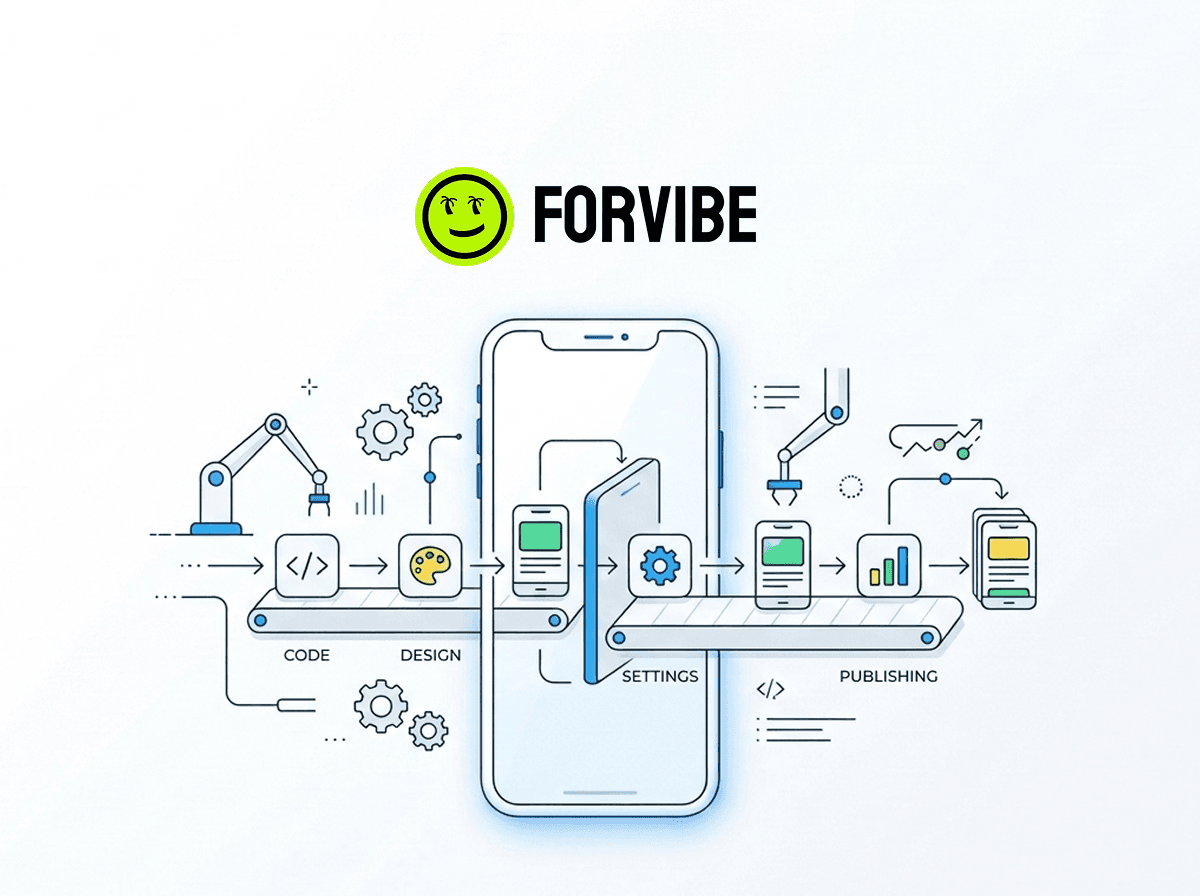
The "Perfect First Shot" Fallacy
You just spent four months perfecting a clean, scalable architecture for an outfit tracking app that exactly zero users will download. Developers habitually fall in love with code instead of validating markets. We treat every idea—whether it is a smart camera assistant, a niche medical study tool, or a wardrobe tracker—like a magnum opus that requires absolute technical perfection from day one.
The Trap of the Heavy Ship
This perfectionism creates massive friction. We obsess over the ideal tech stack, strict type safety, and bespoke UI components before a single customer has interacted with the product. The market does not care about your pristine codebase or your custom transition animations.
There are over 5.5 million apps across the App Store and Google Play. Launching one heavy, over-engineered ship into an ocean of that size is a statistical gamble. It demands months of isolated engineering effort, almost guaranteeing burnout when the initial launch is met with deafening silence. You need to stop building heavy ships and start launching fleets of agile boats.
The App Factory Mindset
To survive as an indie maker, you must transition from an artisan to a factory. The "Serial Maker" mindset treats apps as disposable data-gathering experiments. You build modularly, share core packages across projects, and ship aggressively to test market viability.
The retention reality of the App Store is harsh. Roughly 25% of downloaded apps are opened only once. Spending three weeks polishing a custom onboarding flow is wasted engineering time when a quarter of your cohort will churn immediately regardless of the UX. Your primary goal is rapid data acquisition, not aesthetic perfection.
The math of consumer app success is clear. The rate of independent apps achieving massive scale is less than 1%. However, probability compounds. Launching 10 modular MVPs back-to-back builds a compounding learning curve regarding user acquisition, feature prioritization, and market fit. This factory approach geometrically increases your odds of hitting that 1% on your 11th try.
Factory Logistics: Code & Infrastructure
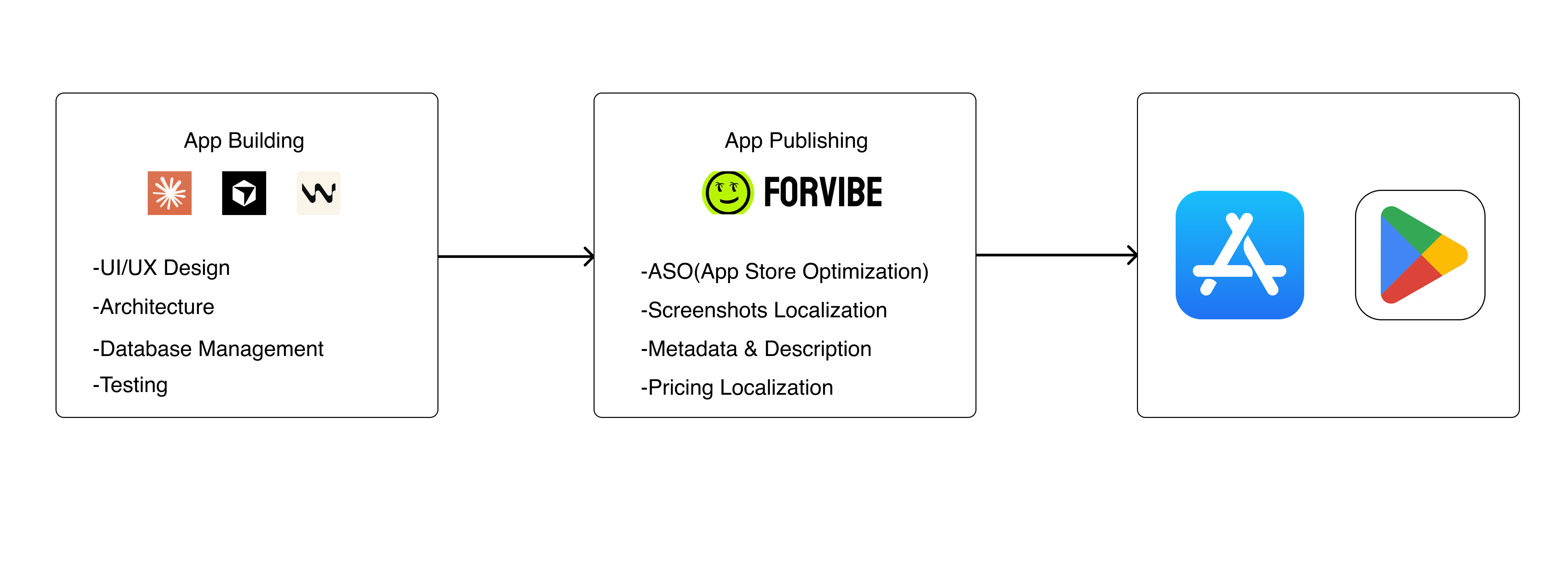
To operate an app factory, you must stop rewriting boilerplate. Centralize your authentication, analytics, and paywalls into a private package. Your CI/CD pipeline should handle the rest. Below is a minimalist, production-ready Fastlane configuration script designed to automate your deployment pipeline and strip manual friction from every release.
Automate the Final Mile
The actual bottleneck of an app factory is rarely writing the core business logic. The friction lies in the repetitive logistics of deployment, generating store assets, and setting up marketing infrastructure. Every hour spent configuring DNS records for a landing page or taking localized store screenshots is an hour stolen from your next MVP.
Stop building these peripheral requirements from scratch. Automate the final mile using dedicated SaaS tools, such as automated landing page generators and headless deployment services. Offload the tedious publishing logistics so your engineering focus remains strictly on shipping the next iteration.